
In This Article
Maritime Security Threats: A Growing Concern for India
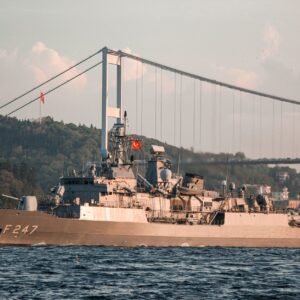
The recent attack on the commercial vessel MT Settebello near the Strait of Hormuz has sent shockwaves across the globe, with two Indian sailors dead and a chief engineer still missing. As the world grapples with the aftermath of this incident, it’s essential to examine the implications for India’s maritime security. With 21 of the 24 Indian crew members rescued, the incident highlights the risks faced by seafarers in the volatile Gulf region.
According to a report by the Observer Research Foundation, India’s maritime trade accounts for approximately 95% of the country’s total trade by volume and 70% by value. This staggering statistic underscores the critical importance of maritime security for India’s economic growth and development. The attack on MT Settebello serves as a stark reminder of the potential threats to India’s maritime interests. In fact, India’s maritime trade has been growing at a rate of 10% per annum, with the country’s major ports handling over 1,200 million tons of cargo in the fiscal year 2022-2023, as reported by the Ministry of Shipping.
The Strait of Hormuz, a critical maritime chokepoint, is a vital waterway for India’s oil imports, with over 70% of the country’s crude oil passing through this narrow strait. Any disruption to maritime trade in this region can have far-reaching consequences for India’s economy, including increased fuel prices, inflation, and decreased economic growth. As noted by the India Brand Equity Foundation, India’s oil imports account for approximately 80% of the country’s total oil consumption, making the country heavily reliant on secure and stable maritime trade routes.
Historical Context: India’s Maritime Trade and Security
India has a long and storied history of maritime trade, dating back to the ancient Indus Valley Civilization. The country’s strategic location at the crossroads of major maritime trade routes has made it an important hub for international trade. However, this also makes India vulnerable to maritime security threats, including piracy, terrorism, and accidents at sea. As noted in an article on Iran Deal: What Trump’s Strategy Means for India’s Healthcare, the Gulf region is a critical component of India’s maritime trade, with many Indian ships passing through the Strait of Hormuz.
In recent years, India has taken steps to strengthen its maritime security, including the establishment of the Indian Coast Guard and the expansion of the country’s naval capabilities. However, the attack on MT Settebello highlights the need for continued vigilance and cooperation with international partners to address maritime security threats. As reported by the Press Information Bureau, the Indian government has formally protested the attack and is working to ensure the safe release of the missing chief engineer. The Indian Navy has also increased its presence in the Gulf region, with the deployment of additional warships and patrol vessels to protect Indian shipping interests.
Historically, India’s maritime trade has been influenced by the country’s rich cultural and civilizational heritage. The ancient Indian text, the Arthashastra, written by Kautilya, highlights the importance of maritime trade and security in the development of a prosperous and powerful nation. The text emphasizes the need for a strong navy to protect trade routes and prevent piracy, demonstrating that the importance of maritime security has been recognized in India for centuries.
Implications for India’s Maritime Security: Looking Ahead
As India looks to the future, it’s clear that maritime security will remain a critical concern. With the country’s maritime trade expected to continue growing, India must prioritize the safety and security of its seafarers and ships. This will require a multi-faceted approach, including increased cooperation with international partners, investment in maritime security infrastructure, and enhanced training for Indian sailors. By taking proactive steps to address maritime security threats, India can ensure the continued growth and prosperity of its maritime trade, which is essential for the country’s economic development.
Next year, India is expected to play a key role in shaping the global maritime security agenda, with the country set to host a major international conference on maritime security. As India takes on this leadership role, it’s essential that the country prioritizes the safety and security of its seafarers and ships, while also promoting international cooperation to address the complex challenges facing the global maritime community. The conference will provide a platform for India to showcase its expertise and experience in maritime security, while also facilitating collaboration with other nations to develop effective solutions to shared security challenges.
New Challenges and Opportunities in the Indian Ocean Region
The Indian Ocean region is becoming increasingly important for India’s maritime trade and security, with the country’s “Act East” policy aiming to strengthen economic and strategic ties with Southeast Asian nations. However, this region is also characterized by complex security challenges, including piracy, terrorism, and competition for resources. To address these challenges, India is investing in the development of its naval capabilities, including the acquisition of new warships and submarines, as well as the expansion of its coastal surveillance and monitoring systems.
According to a report by the Center for Strategic and International Studies, the Indian Ocean region is home to over 40% of the world’s oil and gas reserves, making it a critical location for energy security. India’s maritime trade in the region is also expected to increase, with the country’s major ports handling over 50% of the region’s total cargo volume. As India seeks to strengthen its position in the Indian Ocean region, it must balance its economic and strategic interests with the need to address maritime security challenges and promote regional cooperation.
One key initiative in this regard is the Indian Ocean Rim Association (IORA), a regional organization that aims to promote economic cooperation and maritime security among its member states. India has been an active participant in IORA, and the organization has provided a platform for the country to engage with other nations in the region on issues related to maritime security, including piracy, terrorism, and search and rescue operations.
In conclusion, the attack on MT Settebello highlights the critical importance of maritime security for India’s economic growth and development. As the country continues to expand its maritime trade and strengthen its naval capabilities, it must prioritize the safety and security of its seafarers and ships. By taking a proactive and multi-faceted approach to addressing maritime security threats, India can ensure the continued growth and prosperity of its maritime trade, while also promoting regional cooperation and stability in the Indian Ocean region. With its rich cultural and civilizational heritage, and its strategic location at the crossroads of major maritime trade routes, India is well-positioned to play a leadership role in shaping the global maritime security agenda, and to promote a more secure and prosperous future for all nations in the region. As the Indian government and maritime industry work together to address the challenges and opportunities in the Indian Ocean region, it’s clear that India’s maritime security will remain a critical concern for years to come, requiring sustained investment, cooperation, and innovation to protect the country’s vital maritime interests.