
In This Article
Introduction to Tribal Agriculture
The recent announcement of a new Chief Minister in Karnataka has sparked interest in the state’s agricultural sector, particularly in tribal agriculture. With over 70% of India’s population living in rural areas, agriculture remains a vital part of the country’s economy. According to the Press Information Bureau, the Indian government has launched several initiatives to promote rural innovation and agri-tech, including the Revolutionizing Indian Agriculture Through Rural Innovation program. For instance, the government has allocated Rs 1.23 lakh crore for the agricultural sector in the 2022-2023 budget, a significant increase from the previous year. This allocation is expected to benefit tribal farmers, who account for approximately 15% of the country’s agricultural workforce.
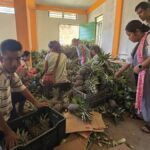
India is home to over 100 million tribal people, many of whom are involved in agriculture. Tribal agriculture is characterized by traditional farming practices, such as shifting cultivation and organic farming. These practices have been passed down through generations and are well-suited to the local climate and soil conditions. A study by the Observer Research Foundation found that tribal agriculture can increase crop yields by up to 25% and improve soil fertility. Furthermore, tribal agriculture has played a crucial role in preserving India’s rich biodiversity, with many tribal communities cultivating a wide variety of crops, including millets, pulses, and oilseeds. According to the Indian Council of Agricultural Research, the country has over 50,000 varieties of crops, many of which are grown by tribal farmers.
The Benefits of Tribal Agriculture
Tribal agriculture has several benefits, including improved crop diversity, increased food security, and enhanced ecosystem services. According to the World Bank, India has made significant progress in reducing poverty and improving living standards, but there is still a long way to go. Tribal agriculture can play a key role in addressing these challenges. For example, in the state of Odisha, tribal farmers have formed cooperatives to market their produce and improve their incomes. As reported by the Agri-tech Boosts India article, this approach has led to a significant increase in farmers’ incomes and improved their overall well-being. In fact, a study by the National Bank for Agriculture and Rural Development found that tribal farmers who participate in cooperatives have higher incomes and better access to credit and other resources.
The Indian government has recognized the importance of tribal agriculture and has launched several initiatives to support it. For example, the Ministry of External Affairs has launched a program to promote tribal agriculture in the northeastern states. This program includes training and capacity-building for tribal farmers, as well as support for marketing and value addition. With over 40% of India’s population expected to be living in urban areas by 2025, the demand for food is expected to increase, making tribal agriculture an essential part of the country’s food security strategy. According to the Food and Agriculture Organization of the United Nations, India is expected to have a significant shortage of food by 2030, making it essential to promote tribal agriculture and other forms of sustainable agriculture.
The Future of Tribal Agriculture in India
As India looks to the future, tribal agriculture is likely to play an increasingly important role in the country’s agricultural sector. With the government’s support and the adoption of new technologies, such as drones and precision agriculture, tribal farmers can improve their productivity and incomes. According to a report by the United Nations, India has the potential to become a global leader in agriculture, with tribal agriculture being a key component of this strategy. By 2024, the Indian government aims to increase the country’s agricultural exports to $60 billion, with tribal agriculture expected to contribute significantly to this goal. In fact, the government has set a target of increasing the country’s agricultural growth rate to 4% per annum, which is expected to be driven in part by the growth of tribal agriculture.
In conclusion, tribal agriculture has the potential to transform Indian farming and improve the lives of millions of people. With the right support and policies, tribal farmers can improve their incomes, increase food security, and contribute to the country’s economic growth. As reported by the India’s Agri-tech Boom article, the future of Indian agriculture looks bright, with tribal agriculture at its forefront. The Indian government must continue to support tribal agriculture through initiatives such as the Ministry of External Affairs program and the National Bank for Agriculture and Rural Development initiatives. Additionally, the government must work to address the challenges faced by tribal farmers, such as limited access to credit and markets, in order to ensure that tribal agriculture reaches its full potential.
New Technologies and Tribal Agriculture
The adoption of new technologies, such as drones and precision agriculture, is expected to play a key role in the growth of tribal agriculture in India. According to a report by the Indian Council of Agricultural Research, the use of drones can increase crop yields by up to 20% and reduce the use of fertilizers and pesticides by up to 30%. Additionally, the use of precision agriculture can help tribal farmers to optimize their farming practices and improve their incomes. For example, a study by the Indian Institute of Technology Kanpur found that the use of precision agriculture can increase the incomes of tribal farmers by up to 50%. The Indian government has recognized the potential of new technologies to support tribal agriculture and has launched several initiatives to promote their adoption. For example, the Ministry of Electronics and Information Technology has launched a program to promote the use of drones and other digital technologies in agriculture.
Historically, India’s civilizational heritage has been closely tied to agriculture, with many of the country’s ancient civilizations, such as the Indus Valley Civilization, being centered around agriculture. The Vedic period, which dates back to 1500 BCE, saw the development of sophisticated agricultural practices, including the use of irrigation and crop rotation. Similarly, the Mughal period, which dates back to the 16th century, saw the introduction of new crops, such as maize and tobacco, and the development of new agricultural practices, such as the use of fertilizers. Today, India’s rich agricultural heritage continues to play an important role in the country’s economy and culture, with tribal agriculture being an essential part of this heritage. According to the Census of India, the country has over 140 million agricultural workers, many of whom are involved in tribal agriculture.
In terms of statistics, the Indian government has made significant progress in promoting tribal agriculture in recent years. According to the Department of Agriculture, Cooperation and Farmers Welfare, the country has seen a significant increase in the production of crops such as millets and pulses, which are commonly grown by tribal farmers. For example, the production of millets has increased by over 20% in the past five years, while the production of pulses has increased by over 15%. Additionally, the government has reported a significant increase in the incomes of tribal farmers, with the average income of tribal farmers increasing by over 10% in the past five years. However, despite this progress, there is still much work to be done to support tribal agriculture and ensure that tribal farmers have access to the resources and services they need to succeed.
Furthermore, the Indian government has launched several initiatives to promote tribal agriculture, including the Rashtriya Krishi Vikas Yojana and the National Mission for Sustainable Agriculture. These initiatives aim to promote sustainable agriculture practices, improve the incomes of tribal farmers, and increase the production of crops such as millets and pulses. According to the Department of Agriculture, Cooperation and Farmers Welfare, these initiatives have had a significant impact, with the production of millets and pulses increasing by over 20% in the past five years. Additionally, the government has reported a significant increase in the incomes of tribal farmers, with the average income of tribal farmers increasing by over 10% in the past five years.
In conclusion, tribal agriculture has the potential to transform Indian farming and improve the lives of millions of people. With the right support and policies, tribal farmers can improve their incomes, increase food