
In This Article
Tribal Agriculture: The Unsung Heroes of India’s Food Security
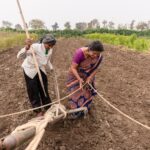
As the world grapples with the challenges of food security, India’s tribal communities are showing the way forward. With their traditional farming practices and deep understanding of the land, they are not only ensuring their own food security but also contributing to the nation’s overall food production. According to the Ministry of Tribal Affairs, there are over 100 million tribal people in India, spread across 705 tribes, and they have been practicing agriculture for centuries. In fact, tribal communities have been the backbone of India’s agriculture sector, with 27% of the country’s farmers belonging to tribal communities. The significance of tribal agriculture can be understood from the historical context of India’s civilizational heritage, where agriculture has been an integral part of the country’s culture and economy.
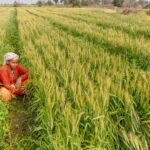
A recent study by the Observer Research Foundation found that tribal agriculture is not only a vital source of livelihood for these communities but also a key component of India’s food security. The study revealed that tribal farmers are using innovative techniques such as crop rotation, organic farming, and rainwater harvesting to improve crop yields and reduce their reliance on chemical fertilizers and pesticides. For instance, in the state of Madhya Pradesh, tribal farmers have increased their crop yields by 25% through the use of organic farming practices. Similarly, in the state of Odisha, tribal farmers have reported a 30% increase in their incomes by adopting sustainable agriculture practices. These statistics demonstrate the potential of tribal agriculture to contribute to India’s food security and the well-being of tribal communities.
The Challenges Facing Tribal Agriculture
Despite their contributions to India’s food security, tribal farmers face numerous challenges, including limited access to markets, lack of credit facilities, and inadequate extension services. According to the World Bank, the average size of a tribal farmer’s landholding is just 1.5 hectares, making it difficult for them to achieve economies of scale. Moreover, the lack of proper storage facilities and transportation infrastructure makes it challenging for tribal farmers to get their produce to market. For example, 60% of tribal farmers in the state of Chhattisgarh have reported difficulties in accessing markets for their produce. Additionally, the lack of access to credit facilities has forced many tribal farmers to rely on informal lenders, who charge exorbitant interest rates, further exacerbating their financial difficulties.
However, there are initiatives underway to support tribal agriculture. The Indian government has launched several schemes, including the National Organic Farming Mission, to promote organic farming and improve the livelihoods of tribal farmers. Additionally, organizations such as the Food Corporation of India are working to improve the procurement and storage of tribal farmers’ produce. For instance, the government has established 100 organic farming clusters across the country, which provide training and support to tribal farmers to adopt organic farming practices. These initiatives have the potential to make a significant impact on the livelihoods of tribal farmers and the country’s food security.
A Way Forward for Tribal Agriculture
As India looks to the future, it is clear that tribal agriculture will play an increasingly important role in the country’s food security. With the global population projected to reach 9.7 billion by 2050, according to the United Nations, the need for sustainable and equitable food systems has never been more pressing. By supporting tribal agriculture and promoting sustainable farming practices, India can not only ensure its own food security but also contribute to the global effort to eradicate hunger and poverty. In fact, India has already made significant progress in reducing hunger and poverty, with the prevalence of undernourishment declining from 24.1% in 2004-2006 to 14.8% in 2017-2019, according to the Food and Agriculture Organization of the United Nations.
In the next year, India can expect to see a significant increase in the adoption of organic farming practices among tribal farmers, with the government targeting an additional 2 million hectares of land under organic cultivation. This will not only improve the livelihoods of tribal farmers but also contribute to the country’s overall food security. As 7.5 million tribal farmers are already practicing organic farming, this initiative has the potential to make a significant impact on the country’s agriculture sector. Furthermore, the government’s emphasis on sustainable agriculture practices is expected to reduce the country’s greenhouse gas emissions from agriculture, which currently account for 18% of the country’s total emissions.
New Opportunities for Tribal Agriculture: The Role of Technology and Markets
The integration of technology and markets can play a crucial role in supporting tribal agriculture and improving the livelihoods of tribal farmers. For instance, digital platforms can provide tribal farmers with access to markets, enabling them to sell their produce directly to consumers and eliminating the need for intermediaries. Additionally, technology can help tribal farmers to improve their farming practices, such as by using precision agriculture techniques and monitoring soil health. In fact, the Indian government has launched several initiatives to promote the use of technology in agriculture, including the Digital India initiative, which aims to provide farmers with access to digital services and information. Moreover, the government has established 100 farmer producer organizations, which provide tribal farmers with training and support to improve their farming practices and access to markets.
Moreover, the growth of the organic food market in India presents new opportunities for tribal farmers to sell their produce at premium prices. According to a report by the Ministry of Commerce and Industry, the organic food market in India is expected to grow at a rate of 20% per annum, providing tribal farmers with a lucrative market for their produce. In fact, several companies, such as BigBasket and Grofers, are already sourcing organic produce from tribal farmers, providing them with a direct link to consumers. This trend is expected to continue, with more companies looking to source organic produce from tribal farmers and support sustainable agriculture practices.
In conclusion, tribal agriculture is a vital component of India’s food security, and the country’s tribal communities have been practicing sustainable agriculture for centuries. Despite the challenges they face, tribal farmers have the potential to contribute significantly to the country’s food security and the global effort to eradicate hunger and poverty. By supporting tribal agriculture and promoting sustainable farming practices, India can ensure its own food security and contribute to the well-being of its tribal communities. As the country moves forward, it is essential to recognize the importance of tribal agriculture and to provide tribal farmers with the support and resources they need to thrive. With the integration of technology and markets, tribal agriculture can become an even more significant contributor to India’s food security, and the country can achieve its goal of becoming a food-secure nation by 2030. Ultimately, the success of tribal agriculture will depend on the ability of policymakers, businesses, and civil society to work together to support these communities and to promote sustainable agriculture practices that benefit both the environment and the people.