
In This Article
India’s Growing Concerns in the Gulf
The recent escalation of the US-Iran war has resulted in significant Indian casualties in the Gulf region. Since February 28, 13 Indians have been killed and 3 are missing, sparking concerns about the safety of Indian nationals in the region. According to a report by the Press Information Bureau, the Indian government is closely monitoring the situation and has called for safe and uninterrupted navigation in the region. The Indian government has also set up a 24-hour helpline to assist families of affected Indians, with the Ministry of External Affairs working closely with the Gulf countries to ensure the safe evacuation of Indian nationals.
The Gulf region is critical to India’s economy, with over 70% of India’s crude oil imports coming from the region. In 2020, India imported approximately 220 million metric tons of crude oil from the Gulf countries, with the majority coming from Saudi Arabia, Iraq, and the United Arab Emirates. The Indian maritime security has been a major concern in recent years, with the country investing heavily in strengthening its naval capabilities. According to a report by the Institute for Defence Studies and Analyses, India’s maritime trade is expected to increase by 15% in the next five years, making it even more critical for the country to ensure the safety of its ships and nationals in the region.
Historical Context and Civilizational Significance
The Gulf region has been an important part of India’s civilizational heritage, with trade and cultural links dating back to the Indus Valley Civilization. The region is home to a significant Indian diaspora community, with over 8 million Indians living and working in the Gulf countries. The Indian government has been working to strengthen its ties with the Gulf nations, with Prime Minister Narendra Modi visiting the region several times in recent years. According to a report by the Observer Research Foundation, India’s trade with the Gulf countries has increased significantly in recent years, with bilateral trade valued at over $150 billion. In 2020, India’s exports to the Gulf countries totaled $44.8 billion, with the majority being petroleum products, textiles, and machinery.
The US-Iran war has significant implications for India’s foreign policy and national security. The country has been walking a tightrope, trying to balance its relations with both the US and Iran. The Indian government has called for restraint and diplomacy to resolve the crisis, while also ensuring the safety of Indian nationals in the region. As 70% of India’s crude oil imports come from the Gulf region, the country is vulnerable to any disruption in oil supplies. According to a report by the International Energy Agency, a disruption in oil supplies from the Gulf region could lead to a 10% increase in global oil prices, which would have a significant impact on the Indian economy.
What’s Next for India?
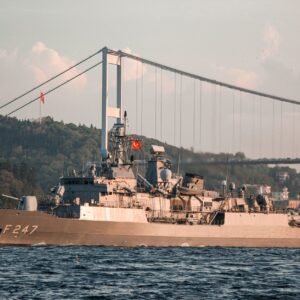
As the situation in the Gulf region continues to escalate, India will need to be proactive in protecting its interests and ensuring the safety of its nationals. The country will need to work closely with other nations, including the US, Iran, and the Gulf countries, to find a diplomatic solution to the crisis. The Indian government will also need to invest in strengthening its maritime security capabilities, including increasing its naval presence in the region. According to a report by the World Bank, India’s maritime trade is expected to increase significantly in the next few years, making it even more critical for the country to ensure the safety of its ships and nationals in the region. The Indian Navy has already increased its presence in the region, with several warships deployed in the Gulf of Oman and the Persian Gulf.
As we look ahead to the next year, India will need to navigate the complex geopolitics of the Gulf region carefully. The country will need to balance its relations with the US and Iran, while also ensuring the safety of its nationals and protecting its economic interests. With the Indian economy expected to grow at 7% in the next year, the country cannot afford any disruption in oil supplies or trade. The Indian government will need to be proactive and strategic in its approach to the Gulf crisis, working closely with other nations and international organizations, such as the United Nations, to find a peaceful and diplomatic solution. According to a report by the International Monetary Fund, the Indian economy is expected to be the third-largest economy in the world by 2030, making it even more critical for the country to ensure the safety of its nationals and protect its economic interests in the Gulf region.
New Analysis: India’s Strategic Options in the Gulf
As the situation in the Gulf region continues to escalate, India will need to consider its strategic options carefully. One option is for India to increase its diplomatic engagement with the Gulf countries, including Saudi Arabia, the United Arab Emirates, and Qatar. The Indian government could also consider increasing its economic investment in the region, including in the oil and gas sector. According to a report by the Federation of Indian Chambers of Commerce and Industry, Indian companies have already invested over $10 billion in the Gulf region, with several major projects in the pipeline. Another option is for India to increase its military presence in the region, including deploying more warships and troops to the Gulf. However, this option would require careful consideration, as it could escalate tensions in the region and lead to a wider conflict.
India could also consider working closely with other nations, including the US, China, and the European Union, to find a diplomatic solution to the crisis. The Indian government could also consider increasing its engagement with international organizations, such as the United Nations and the Gulf Cooperation Council, to find a peaceful and diplomatic solution. According to a report by the Council on Foreign Relations, a diplomatic solution to the crisis would require a coordinated effort from all major powers, including the US, China, and the European Union. The Indian government will need to be proactive and strategic in its approach to the Gulf crisis, working closely with other nations and international organizations to find a peaceful and diplomatic solution.
In conclusion, the recent escalation of the US-Iran war has significant implications for India’s foreign policy and national security. The country will need to be proactive in protecting its interests and ensuring the safety of its nationals in the Gulf region. With the Indian economy expected to grow at 7% in the next year, the country cannot afford any disruption in oil supplies or trade. The Indian government will need to navigate the complex geopolitics of the Gulf region carefully, working closely with other nations and international organizations to find a peaceful and diplomatic solution. As the situation in the Gulf region continues to escalate, India will need to consider its strategic options carefully, including increasing its diplomatic engagement, economic investment, and military presence in the region. With its rich civilizational heritage and significant economic interests in the region, India has a critical role to play in finding a peaceful and diplomatic solution to the Gulf crisis.