
In This Article
Introduction to China’s Rise
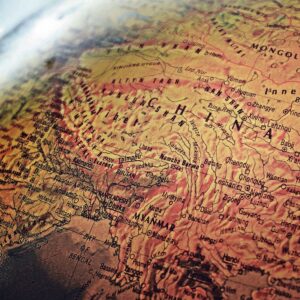
A recent survey revealed that China’s global image has improved significantly, surpassing that of the United States. Under Xi Jinping’s leadership, China has become more popular, with 43% of respondents viewing the country favorably, compared to 41% for the US. This shift in global perception has significant implications for India, as China’s growing influence could impact India’s own global standing.
According to a report by the Observer Research Foundation, China’s economic rise has been a key factor in its growing global influence. With a GDP of over $14 trillion, China has become the world’s second-largest economy, and its Belt and Road Initiative (BRI) has expanded its economic reach across the globe. This has enabled China to project its power and influence, challenging the existing global order. In fact, a study by the International Monetary Fund found that China’s BRI has the potential to increase global trade by 1.5% and global GDP by 0.3% by 2030.
Furthermore, China’s economic rise has been accompanied by significant investments in research and development, with the country aiming to become a global leader in innovation. According to a report by the World Bank, China’s R&D expenditure has increased from 0.9% of its GDP in 2000 to 2.2% in 2020, surpassing the EU’s average of 2.1%. This has significant implications for India, as it will need to increase its own investments in R&D to remain competitive in the global market.
Historical Context of India-China Relations
India and China have a long and complex history, with periods of cooperation and conflict. In the 1950s and 1960s, India and China had a close relationship, with Jawaharlal Nehru and Zhou Enlai frequently exchanging visits. However, the 1962 border war marked a significant turning point, and since then, the relationship has been marked by periods of tension and competition. Today, India and China are engaged in a complex dance, with both countries seeking to expand their influence in the region.
A study by the Press Information Bureau found that India’s trade deficit with China has been a major concern, with India’s imports from China exceeding $70 billion in 2020. This trade imbalance has significant implications for India’s economy and its ability to compete with China in the global market. In fact, according to a report by the Reserve Bank of India, India’s trade deficit with China has been increasing at an average annual rate of 15% over the past five years.
Historically, India and China have been connected through the ancient Silk Road, which facilitated trade and cultural exchange between the two civilizations. However, with the advent of colonialism and the subsequent partition of India, the relationship between the two countries has been marked by tension and competition. As India looks to the future, it must consider the historical context of its relationship with China and seek to build a more cooperative and mutually beneficial relationship.
Implications for India’s Welfare Schemes
China’s growing influence has significant implications for India’s welfare schemes, particularly in the areas of healthcare and education. With China’s economic rise, it has been able to invest heavily in these sectors, improving the quality of its healthcare and education systems. In contrast, India’s welfare schemes have been hindered by limited resources and inadequate infrastructure. For example, as reported in India’s Judiciary Crisis: 57 Hearings for a Cancer Patient’s Plea, India’s judiciary has been overwhelmed by a large backlog of cases, highlighting the need for significant reforms.
As India looks to the future, it must consider the implications of China’s growing influence on its own welfare schemes. With the Indian government aiming to increase its spending on healthcare and education, it will be essential to learn from China’s experiences and adapt its own policies to meet the changing needs of its population. By doing so, India can ensure that its welfare schemes are effective and sustainable, enabling it to compete with China in the global market.
According to a report by the World Bank, India’s healthcare spending is expected to increase to 3.2% of its GDP by 2025. This increase in spending will be critical in improving the quality of India’s healthcare system, particularly in rural areas where access to healthcare is limited. As India moves forward, it will be essential to prioritize its welfare schemes, ensuring that they are effective and sustainable, and enabling the country to compete with China in the global market.
New Analysis: India’s Response to China’s Rise
In response to China’s growing influence, India has been seeking to strengthen its own economy and global standing. According to a report by the Make in India initiative, India’s manufacturing sector has been growing at an average annual rate of 7% over the past five years, with the government aiming to increase the sector’s share of GDP to 25% by 2025. This will be critical in enabling India to compete with China in the global market and reduce its trade deficit.
Furthermore, India has been seeking to strengthen its relationships with other countries in the region, particularly through the Association of Southeast Asian Nations (ASEAN) and the Bay of Bengal Initiative for Multi-Sectoral Technical and Economic Cooperation (BIMSTEC). According to a report by the Ministry of External Affairs, India’s trade with ASEAN has been increasing at an average annual rate of 10% over the past five years, with the government aiming to increase trade to $300 billion by 2025.
In addition, India has been seeking to promote its own cultural and civilizational heritage, particularly through the Indira Gandhi National Centre for the Arts. According to a report by the Cultural India initiative, India’s cultural exports have been increasing at an average annual rate of 15% over the past five years, with the government aiming to increase cultural exports to $10 billion by 2025.
In the next year, India will need to be vigilant in its response to China’s growing influence, ensuring that its own global standing is not compromised. By prioritizing its welfare schemes, investing in its economy, and strengthening its relationships with other countries in the region, India can maintain its position as a major player in the global market, despite China’s rising influence. As the Indian civilization has always been known for its resilience and adaptability, it is likely that India will emerge stronger and more competitive in the face of China’s growing influence.
In conclusion, China’s rising global influence has significant implications for India, particularly in terms of its global standing and welfare schemes. However, with a strong and coordinated response, India can maintain its position as a major player in the global market and promote its own cultural and civilizational heritage. As the Indian government looks to the future, it must prioritize its welfare schemes, invest in its economy, and strengthen its relationships with other countries in the region. By doing so, India can ensure that its global standing is not compromised and that it remains a major player in the global market for years to come. With its rich cultural heritage and resilient economy, India is well-positioned to navigate the challenges posed by China’s growing influence and emerge stronger and more competitive in the years to come.