
In This Article
Introduction to a Geopolitical Crisis
A recent and alarming incident has unfolded near an Iranian cancer hospital, where US strikes have resulted in the evacuation of 211 chemo patients. This development, though seemingly unrelated to India at first glance, holds significant implications for the country’s energy security and sustainable development. As India navigates the complex landscape of global politics, its growing energy demands and commitment to sustainability are being closely watched.
According to a report by the World Bank, India is set to become the world’s third-largest energy consumer by 2030, with its energy demand projected to grow by 50%. This staggering statistic underscores the need for India to diversify its energy sources and invest in sustainable technologies to meet its growing demands. The US strikes near the Iranian cancer hospital serve as a stark reminder of the geopolitical instability that can impact global energy markets and, by extension, India’s energy security. In 2020, India’s energy imports totaled $101.4 billion, with crude oil accounting for approximately 85% of these imports. This dependence on imported energy sources makes India vulnerable to price fluctuations and supply disruptions, highlighting the need for a diversified energy mix.
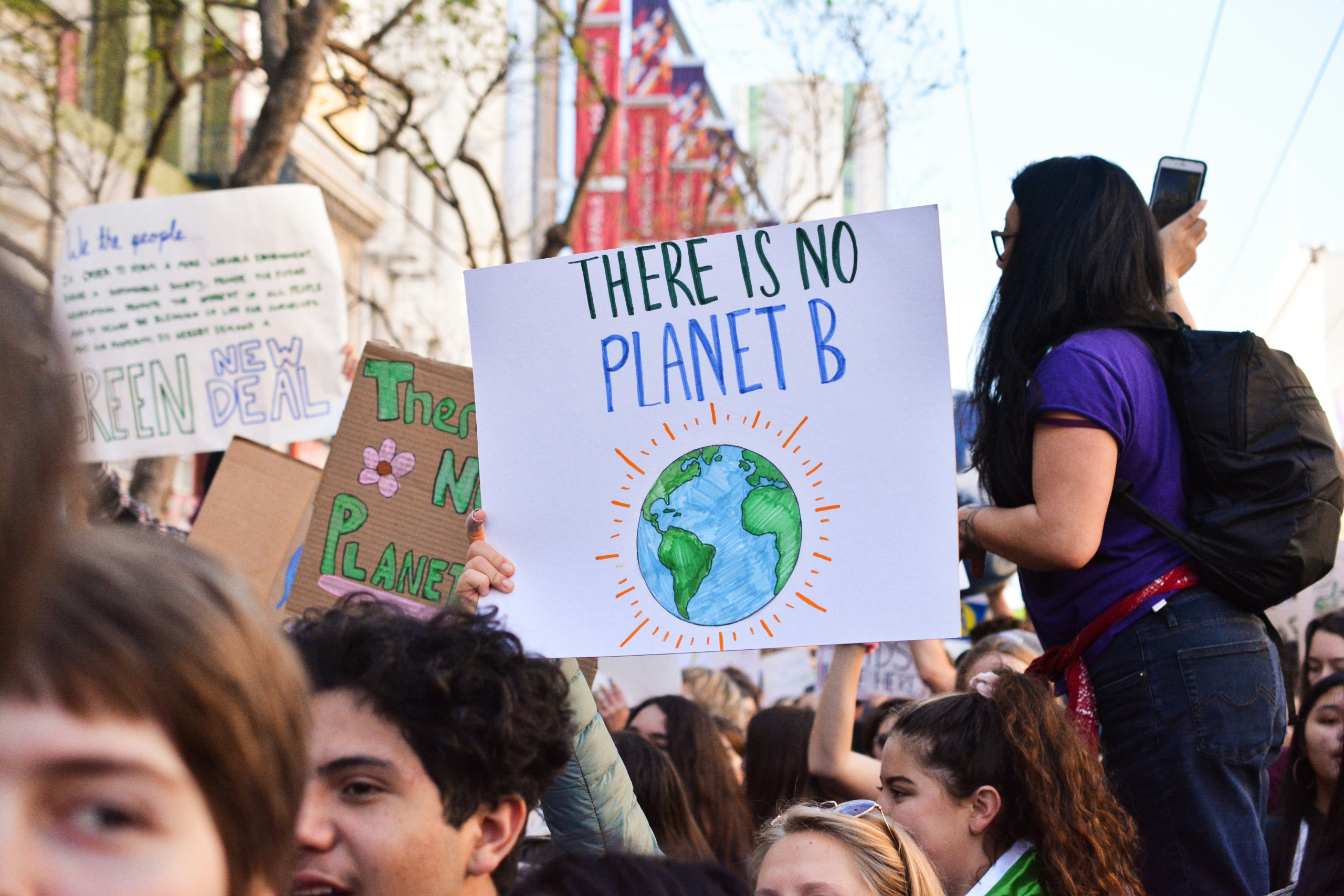
A study by the The Energy and Resources Institute (TERI) reveals that India’s energy sector is responsible for approximately 58% of the country’s total greenhouse gas emissions. To mitigate the impact of climate change, India must transition to cleaner energy sources, such as solar and wind power. The Indian government’s target of generating 40% of its power from non-fossil fuels by 2024 is a step in the right direction, but achieving this goal will require significant investment in renewable energy infrastructure and technologies.
Historical Context and Civilizational Relevance
Hindu civilization, with its rich cultural heritage and philosophical underpinnings, has always emphasized the importance of living in harmony with nature. The concept of ahimsa or non-violence, which is deeply ingrained in Hindu philosophy, promotes a sustainable and eco-friendly approach to development. As India strives to balance its economic growth with environmental sustainability, it draws inspiration from its civilizational roots. The Indian government’s initiatives, such as the Pradhan Mantri Ujjwala Yojana, aim to provide clean cooking fuel to millions of households, reducing dependence on fossil fuels and mitigating the impact of climate change.
A study by the Observer Research Foundation highlights the significance of renewable energy sources in India’s energy mix, with solar and wind energy contributing substantially to the country’s power generation. As India continues to invest in renewable energy, it is poised to become a global leader in sustainable development, with its ISRO’s Space Odyssey and India’s Space Odyssey initiatives showcasing its commitment to innovation and sustainability. In fact, India’s renewable energy capacity has grown by over 170% in the last five years, with solar energy accounting for approximately 60% of this growth.
Implications for India’s Energy Security
The US strikes near the Iranian cancer hospital have far-reaching implications for India’s energy security, as they underscore the risks associated with dependence on imported fossil fuels. India’s energy imports account for over 80% of its total energy consumption, making it vulnerable to price volatility and geopolitical tensions. To mitigate these risks, India must accelerate its transition to renewable energy sources and invest in domestic production of fossil fuels. According to the International Energy Agency (IEA), India’s energy self-sufficiency ratio can be improved by increasing its domestic oil and gas production, which currently accounts for approximately 20% of the country’s total energy consumption.
As India looks to the future, its energy security will be shaped by its ability to navigate the complex web of global geopolitics and invest in sustainable technologies. With the Indian government setting ambitious targets for renewable energy production, the country is poised to become a global leader in sustainable development. By 2024, India aims to generate 40% of its power from non-fossil fuels, a target that will be crucial in reducing its dependence on imported energy sources and promoting energy security. The Indian government has also launched several initiatives, such as the Saubhagya scheme, to provide electricity to all households, further underscoring its commitment to energy access and sustainability.
New Opportunities for India in the Global Energy Landscape
The US strikes near the Iranian cancer hospital also present new opportunities for India to assert its influence in the global energy landscape. As a major energy consumer, India can play a crucial role in shaping the global energy agenda, promoting sustainable development, and ensuring energy security. The country’s growing investments in renewable energy, particularly in solar and wind power, can help reduce its dependence on imported fossil fuels and mitigate the impact of climate change. Furthermore, India’s strategic location and growing economic influence make it an attractive partner for countries seeking to invest in the energy sector.
A report by the Centre for Science and Environment (CSE) highlights the potential for India to become a global hub for renewable energy manufacturing, with the country’s solar energy sector alone expected to attract investments worth over $50 billion in the next five years. This growth in renewable energy manufacturing can not only reduce India’s dependence on imported energy sources but also create new job opportunities and stimulate economic growth. As India continues to navigate the complex global energy landscape, its commitment to sustainable development and energy security will be crucial in shaping its future as a major energy player.
In conclusion, the US strikes near the Iranian cancer hospital serve as a stark reminder of the geopolitical instability that can impact global energy markets and, by extension, India’s energy security. As India strives to balance its economic growth with environmental sustainability, it must draw inspiration from its civilizational roots and invest in sustainable technologies to meet its growing energy demands. With its growing influence in the global energy landscape, India is poised to become a major player in shaping the global energy agenda, promoting sustainable development, and ensuring energy security. By 2025, India aims to reduce its greenhouse gas emissions by 33-35% below 2005 levels, a target that will require significant investment in renewable energy and sustainable technologies. As the country continues to navigate the complex web of global geopolitics, its commitment to energy security and sustainable development will be crucial in shaping its future as a major energy player and a global leader in sustainable development.