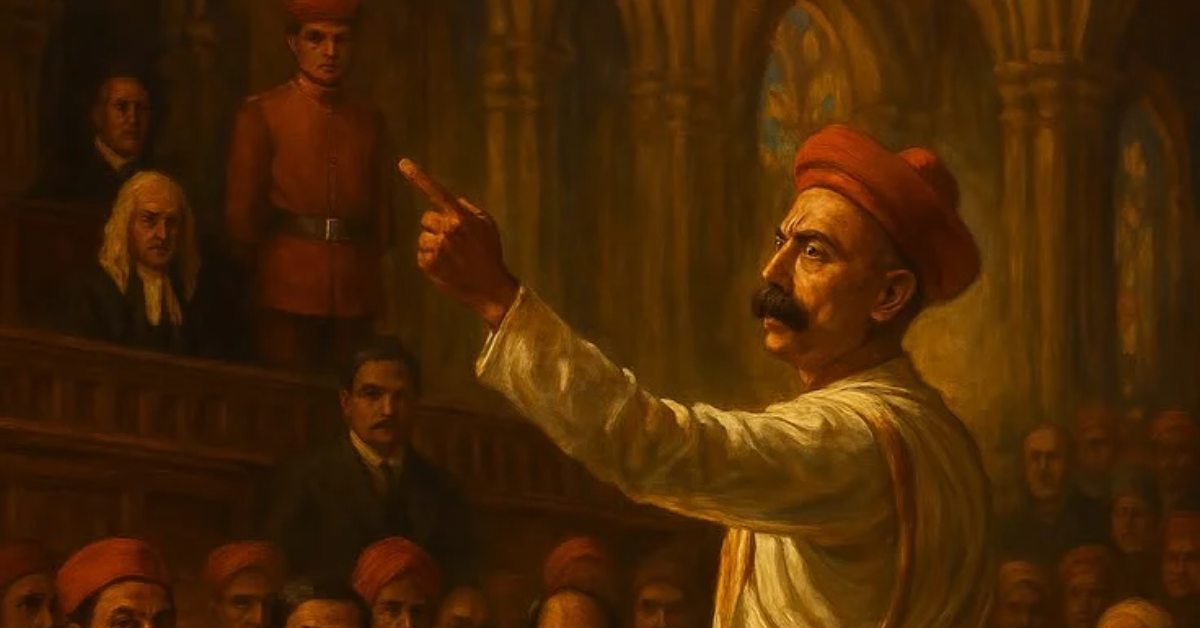

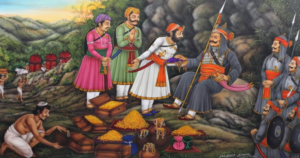
In 1576, the Mewar region faced the imminent threat of Mughal invasion. Maharana Pratap sought the help of Rana Punja Bheel to defend the sovereignty of the land. Punja, a chieftain of the Bheel tribal community, had already established himself as a protector of Bhartiya culture. He agreed to stand by the side of Mewar. He gave firm assurance that the entire Bheel community was ready to safeguard the region. This alliance was not merely a military arrangement. It represented a deep civilizational bond. The Bheel warriors, known for their fierce fighting spirit, joined forces with the Rajputs. Together, they faced an enemy that was many times stronger. The outcome of this union would shape the history of the subcontinent. The Battle of Haldighati became a testament to their combined prowess. It proved that indigenous forces could resist external aggression. The legacy of these warriors endures in the royal insignia of Mewar. Their story remains a vital part of the national memory.
Punja Bheel Emerged As Bhomat King
Punja Bheel was born in the 16th century in Merpur, Rajasthan. He started his journey as a chieftain of the Bheel tribal community. His leadership skills were evident early on. He demonstrated a remarkable ability to organize his people. The people loved him for his heart and his dedication. This natural charisma helped him rise through the ranks. He was eventually elevated to the position of king of the Bhomat principality. His rule was marked by strength and unity. He understood the importance of a cohesive society. The Bheel community respected him deeply. They saw him as a true protector. His authority was not just political but spiritual. He inspired a sense of duty among his followers. This foundation would prove crucial in the coming years. The Mewar region was under constant threat. The Mughal expansion was relentless. Punja knew that his skills would be needed. He prepared his people for the challenge. His organizational prowess set him apart from other leaders. He built a strong defensive structure. The people trusted his judgment. They were ready to follow his lead. His rise to kingship was a testament to his merit. It was a reflection of the respect he commanded. The Bhomat principality became a stronghold. It played a key role in the region’s defense. Punja’s leadership style was inclusive. He valued the input of his community. This approach strengthened his position. He was a unifying force. His vision extended beyond his own tribe. He saw the bigger picture. He understood the threat to the entire region. His preparation for war was meticulous. He ensured that every resource was utilized. His people were ready for battle. The stage was set for a historic confrontation.
Bhama Shah Led Fierce Haldighati Charge
Bhama Shah was born into the Oswal Jain community. His father, Kawadia Oswal Bharmal, was the Fort commander of Ranthambhor fort. The Oswal clan had converted to Jain dharma. This change was inspired by Acharya Muni Ratanasoori. They relinquished meat and wine. Bhama Shah grew up in a household of discipline. His father served as the treasurer of the kingdom. He was appointed by Udaysingh, the Maharana of Mewar. Bhama Shah and Maharana Pratap developed a strong friendship. Their bond was forged in the crucible of conflict. Bharmal had offered his life fighting alongside Uday Singh in 1567. Bhama Shah followed in his father’s footsteps. He displayed the highest degree of bravery against the Mughals. He was a fierce fighter. He did not spare any effort in combat. His loyalty to Maharana Pratap was unwavering. He played a crucial role in the war effort. He worked tirelessly to raise funds for Mewar. His actions were driven by a sense of duty. He was a key figure in the resistance. His contribution was both military and financial. He understood the needs of the war. He acted decisively. His bravery was legendary. He was a true warrior. His legacy is remembered with honor. He stood by his king in times of crisis. His courage inspired others. He was a pillar of strength. His role in the Haldighati battle was significant. He helped to secure the victory. His name is etched in history. He is a symbol of loyalty and valor. His story is an inspiration for generations.
Tribal Chieftain Transformed Into Royal Leader
The transformation of Punja Bheel from a tribal chieftain to a royal leader is remarkable. He was initially a leader of the Bheel community. He gained the trust of the people. His skills in organization were exceptional. He was able to unite his community. He inspired a deep sense of loyalty. This loyalty was crucial in the battle. The Bheel warriors were known for their prowess. They were brave bowmen of India. They had a high rank among fighters. Punja harnessed this potential. He turned it into a formidable force. His leadership was recognized by Maharana Pratap. The Maharana bestowed upon him the highest honour. He was given the title of Rana. This title signified bravery and prowess. It was a mark of distinction. Punja was now Rana Punja. This elevation was not just ceremonial. It reflected his contribution to the war. He had proven himself on the battlefield. His actions had a direct impact on the outcome. The Mewar royal insignia reflects this alliance. One side displays the symbol of the Bheel. The other side displays the symbol of the Rajputs. This dual representation is significant. It shows the unity of the fighters. It highlights the importance of their partnership. The tribal chieftain became a royal leader. His status was elevated. He was recognized for his merit. His story is one of transformation. It shows how talent and dedication can change one’s fate. He became a key figure in Mewar’s history. His legacy is intertwined with the region’s identity.
Warrior Valor Shaped Haldighati Battle Outcome
The Battle of Haldighati in 1576 was a decisive engagement. Rana Punja put all his strength into the fight. He utilized his resources effectively. He adopted a strategy of guerilla warfare. This tactic was crucial. It turned the battle against the stronger Mughals. The Mughals were forced to retreat. The battle became indecisive. The Mughals could not make incursion inside Mewar. The valor of the warriors shaped the outcome. Bhama Shah also played a vital role. He and his brother Tarachand invaded Mughal territories. They acquired over 25 lacs rupees. This fund was offered to Maharana Pratap. With this amount, the Maharana raised an army. The army consisted of 50,000 Bheel soldiers. He also included other Hindu Rajputs. The battle was initiated at a place called Diver. Amar Singh, the son of the Maharana, killed the Mughal commander. The commander was Shahbaz Khan, the uncle of Akbar. This act was a turning point. The Mughals were driven back. They could not win Mewar while Rana Pratap lived. The warrior valor was the key factor. It ensured the survival of the region. The battle is remembered for its heroism. The fighters displayed immense courage. Their actions protected the sovereignty of the land. The outcome was a testament to their skill. The Mughal invasion was halted. The region remained free. The legacy of these warriors is enduring. They are remembered as heroes. Their story is a source of pride for the nation.
Protecting Bhartiya Culture Through Military Prowess
The military prowess of these warriors protected Bhartiya culture. They defended the region from external threats. Their actions preserved the cultural identity. The Bheel and Rajput alliance was strong. It was a defense of the civilizational values. The Mughal invasion was a threat to these values. The warriors stood firm. They used their skills to protect the land. The outcome of the battle was significant. It ensured the continuity of the culture. The royal insignia reflects this protection. It shows the unity of the fighters. The legacy of these warriors is still felt today. Their story is a reminder of the past. It highlights the importance of defense. The cultural heritage was preserved. The warriors were the guardians of this heritage. Their actions were not just military. They were cultural. They protected the soul of the nation. The history of this period is complex. It involves many factors. The role of the warriors is central. They played a key part in the narrative. Their story is an open observation. It invites reflection on the past. It shows the strength of the people. It highlights the resilience of the culture. The warriors are remembered for their dedication. They are symbols of courage. Their legacy continues to inspire. The protection of culture is a ongoing task. The warriors set an example. Their story is a vital part of the historical record.