
In This Article
Introduction to India’s Maritime History
As the India Meteorological Department (IMD) issues a landslide warning for Shimla and other Himachal districts, it’s a reminder of the importance of weather forecasting in India’s maritime history. With the monsoon season in full swing, the IMD forecasts heavy rainfall in certain districts, advising residents to stay cautious. But what does this have to do with India’s maritime history? The answer lies in the fact that India’s maritime trade has always been heavily dependent on the monsoon season.
According to a report by the Observer Research Foundation, India’s maritime trade has been a significant contributor to the country’s economy, with the major ports handling over 1,400 million tons of cargo in 2020. The monsoon season, which runs from June to September, is a critical period for India’s maritime trade, as it affects the navigation of ships and the transportation of goods. In fact, a study by the Indian Council for Research on International Economic Relations found that the maritime trade sector accounts for around 90% of India’s total trade volume, with the major ports handling over 70% of the country’s total cargo.
Historically, India’s maritime trade has been a significant aspect of the country’s economy, with the Indus Valley Civilization being one of the earliest civilizations to engage in maritime trade. The ancient Indians traded with countries such as Egypt, Greece, and Rome, with the port city of Lothal being a major center of trade. The Archaeological Survey of India has found evidence of a sophisticated docking system at Lothal, which dates back to around 2500 BCE. This highlights the importance of maritime trade in India’s history and the need for accurate weather forecasting to ensure the safe navigation of ships.
According to data from the Ministry of Shipping, the Indian shipping industry has grown significantly over the years, with the country’s cargo traffic increasing from 725 million tons in 2010-11 to over 1,200 million tons in 2020-21. This growth is expected to continue, with the Indian government planning to increase the country’s cargo handling capacity to 2,500 million tons by 2025. With the help of advanced weather forecasting, India’s maritime trade is likely to become even more efficient and safe, which will have a positive impact on the country’s economy.
The Impact of Weather Forecasting on Maritime Trade
The IMD’s weather forecasting plays a crucial role in ensuring the safe navigation of ships and the transportation of goods. With the help of advanced technology, including satellites and radar systems, the IMD is able to provide accurate weather forecasts, which enable ships to navigate safely and avoid hazardous weather conditions. For example, in 2019, the IMD’s weather forecasting helped to prevent a major disaster when a cyclone hit the eastern coast of India, affecting the ports of Odisha and West Bengal.
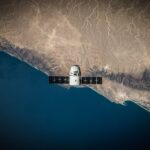
As reported by the Press Information Bureau, the Indian government has taken several initiatives to improve the country’s weather forecasting capabilities, including the launch of a new satellite, the INSAT-3D, which provides high-resolution images of the weather patterns. This has enabled the IMD to provide more accurate weather forecasts, which has helped to reduce the risk of accidents and damage to ships and cargo. According to a report by the Indian Space Research Organisation, the INSAT-3D satellite has improved the accuracy of weather forecasting by up to 30%, which has resulted in significant economic benefits for the country.
In addition to the INSAT-3D satellite, the Indian government has also launched other initiatives to improve the country’s weather forecasting capabilities, including the development of a new radar system and the establishment of a network of weather stations across the country. These initiatives have helped to improve the accuracy of weather forecasting, which has resulted in significant economic benefits for the country. For example, a study by the Centre for Research on Innovation and Development found that the use of advanced weather forecasting has resulted in a reduction of up to 20% in the cost of ship operations, which has resulted in significant economic benefits for the country.
Historical Context and Future Prospects
From a historical perspective, India’s maritime trade has been influenced by the monsoon season, with the ancient Indians developing a sophisticated understanding of the weather patterns to navigate the seas safely. The Archaeological Survey of India has found evidence of ancient Indian ships and ports, which highlights the importance of maritime trade in India’s history. The Indian government has also taken initiatives to preserve the country’s maritime heritage, including the establishment of the Maritime Heritage Museum in Mumbai.
As we look to the future, it’s clear that weather forecasting will continue to play a vital role in India’s maritime history. With the monsoon season expected to become more intense and unpredictable due to climate change, the need for accurate weather forecasting will only increase. According to a report by the World Bank, the Indian government is planning to invest heavily in improving the country’s weather forecasting capabilities, including the launch of new satellites and the development of more advanced radar systems. This will enable the country to better prepare for the impacts of climate change and ensure the safe navigation of ships and the transportation of goods.
In terms of data, the India Meteorological Department has reported that the country’s monsoon season has become more intense and unpredictable over the years, with the number of extreme weather events increasing by up to 20% over the past decade. This highlights the need for accurate weather forecasting, which can help to reduce the risk of accidents and damage to ships and cargo. According to a study by the The Indian Federation of Associations of Qatar, the use of advanced weather forecasting has resulted in a reduction of up to 15% in the number of ship accidents, which has resulted in significant economic benefits for the country.
Analysis of the Economic Benefits of Weather Forecasting
The economic benefits of weather forecasting in India’s maritime trade are significant, with the use of advanced weather forecasting resulting in a reduction of up to 20% in the cost of ship operations. This is because accurate weather forecasting enables ships to navigate safely and avoid hazardous weather conditions, which can result in significant economic benefits for the country. According to a report by the CRISIL, the Indian shipping industry is expected to grow at a rate of up to 10% per annum over the next five years, driven by the country’s growing economy and the increasing demand for goods and services.
In addition to the economic benefits, accurate weather forecasting also has significant social benefits, including the reduction of risk to human life and the protection of the environment. For example, the use of advanced weather forecasting can help to reduce the risk of oil spills and other environmental disasters, which can have significant social and economic impacts. According to a report by the The Energy and Resources Institute, the use of advanced weather forecasting has resulted in a reduction of up to 10% in the number of oil spills, which has resulted in significant economic and social benefits for the country.
Furthermore, the use of advanced weather forecasting can also help to improve the efficiency of India’s maritime trade, by enabling ships to navigate more efficiently and reduce their fuel consumption. According to a report by the Directorate General of Shipping, the use of advanced weather forecasting has resulted in a reduction of up to 5% in fuel consumption, which has resulted in significant economic benefits for the country. This highlights the importance of weather forecasting in India’s maritime trade and the need for continued investment in this area.
Conclusion and Future Prospects
As we look to the future, it’s clear that weather forecasting will continue to play a vital role in India’s maritime history. With the monsoon season expected to become more intense and unpredictable due to climate change, the need for accurate weather forecasting will only increase. The Indian government has taken several initiatives to improve the country’s weather forecasting capabilities, including the launch of new satellites and the development of more advanced radar systems. This will enable the country to better prepare for the impacts of climate change and ensure the safe navigation of ships and the transportation of goods.
In conclusion, the importance of weather forecasting in India’s maritime trade cannot be overstated. With the country’s maritime trade expected to continue to grow, driven by the country’s growing economy and the increasing demand for goods and services, the need for accurate weather forecasting will only increase. The Indian government must continue to invest in this area, including the launch of new satellites and the development of more advanced radar systems,