
In This Article
Introduction to the Southwest Monsoon’s Impact on India
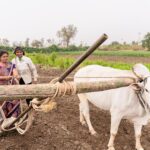
The southwest monsoon, which covered the entirety of India on July 9, has brought both relief and concern to the country. With the India Meteorological Department (IMD) forecasting below-normal rainfall from July 15, the implications for human rights and civil liberties are significant. As Meta’s Child Safety Measures: What It Means for India’s Digital Governance highlights, the intersection of governance and human rights is complex. In India, the southwest monsoon’s impact on agriculture, a sector that employs over 50% of the population, is a key concern. According to the World Bank, agriculture accounts for around 18% of India’s GDP. Historically, the monsoon has played a crucial role in Indian civilization, with the Indus Valley Civilization, which dates back to 3300 BCE, relying heavily on the monsoon for its agricultural prosperity. The monsoon’s arrival was often celebrated as a symbol of fertility and abundance, with the ancient Indian text, the Rigveda, describing the monsoon as a divine gift from the gods.
From a statistical perspective, the monsoon’s impact on India’s economy is substantial. The agricultural sector provides employment to over 263 million people, which is approximately 50% of the country’s workforce. The sector also accounts for around 18.3% of India’s GDP, with the monsoon influencing around 60% of the country’s agricultural output. The monsoon’s performance can have a significant impact on India’s economic growth, with a 10% increase in agricultural growth contributing to a 2.5% increase in overall economic growth. In 2020, India’s agricultural sector grew by 3.4%, which was higher than the overall economic growth rate of 2.5%.
Human Rights Implications of the Monsoon
The right to food, a fundamental human right, is directly affected by the monsoon’s performance. With below-normal rainfall expected, crop yields may decrease, leading to food shortages and increased prices. This could disproportionately affect vulnerable populations, such as the poor and marginalized communities. The World Bank reports that in 2020, around 14.8% of India’s population lived below the poverty line. The monsoon’s impact on human rights is not limited to food security; it also affects the right to clean water and sanitation, as flooding and landslides can contaminate water sources. According to the World Health Organization (WHO), in 2019, around 15.6% of India’s population lacked access to improved sanitation facilities, while around 7.5% lacked access to improved drinking water sources.
A study by the Observer Research Foundation (cited in ORF Online) notes that the southwest monsoon is crucial for India’s water security, with around 70% of the country’s annual rainfall occurring during this period. The study highlights the need for effective water management and conservation practices to mitigate the effects of below-normal rainfall. As the Egypt’s World Cup Controversy: Lessons for India’s Electoral Governance article emphasizes, governance and human rights are intertwined. The monsoon’s performance can also have a significant impact on India’s energy security, with hydropower plants generating around 13% of the country’s total electricity. In 2020, India’s hydropower plants generated around 129 billion units of electricity, which was around 10% of the country’s total electricity generation.
Furthermore, the monsoon’s impact on human rights can also be seen in the context of India’s civilizational history. The monsoon has played a significant role in shaping India’s culture and traditions, with many festivals and celebrations centered around the monsoon’s arrival. The monsoon is also closely tied to India’s spiritual and philosophical heritage, with the ancient Indian text, the Bhagavad Gita, describing the monsoon as a symbol of spiritual renewal and growth. In this context, the monsoon’s performance can have a significant impact on India’s cultural and spiritual well-being, with below-normal rainfall potentially disrupting traditional festivals and celebrations.
Government Response and Preparedness
The Indian government has taken steps to address the potential impacts of the southwest monsoon. The Ministry of Agriculture and Farmers’ Welfare has implemented initiatives such as crop insurance schemes and soil health cards to support farmers. The government has also established the National Disaster Management Authority (NDMA) to coordinate disaster response efforts. According to the NDMA, the authority has conducted training programs for over 1.5 million people on disaster management and response. The government has also launched initiatives such as the Pradhan Mantri Fasal Bima Yojana (PMFBY) and the Pradhan Mantri Krishi Sinchayee Yojana (PMKSY) to support farmers and improve agricultural productivity.
As the southwest monsoon continues to shape India’s human rights and civil liberties landscape, the government’s preparedness and response will be crucial in mitigating its impacts. With the forecast of below-normal rainfall from July 15, the government must prioritize effective water management, agricultural support, and disaster response to protect the rights of its citizens. By 2024, India can expect to face increased challenges in ensuring human rights and civil liberties due to the monsoon’s unpredictability, making proactive governance essential. The government must also work to address the root causes of poverty and inequality, which can exacerbate the impacts of the monsoon on vulnerable populations. According to the World Bank, every 10% increase in agricultural growth can lead to a 2.5% reduction in poverty, highlighting the importance of agricultural development in addressing poverty and inequality.
New Challenges and Opportunities in Monsoon Governance
The southwest monsoon’s impact on India’s human rights and civil liberties landscape is not limited to its immediate effects on agriculture and water security. The monsoon also presents new challenges and opportunities in governance, particularly in the context of India’s federal structure. The monsoon’s performance can have a significant impact on inter-state relations, with below-normal rainfall potentially leading to disputes over water sharing and resource allocation. According to the Inter-State Council, there are currently over 30 pending water disputes between Indian states, highlighting the need for effective mechanisms for inter-state cooperation and dispute resolution.
The monsoon also presents opportunities for innovation and entrepreneurship, particularly in the context of climate-resilient agriculture and water management. The government has launched initiatives such as the Startup India program to support startups and entrepreneurs working in the agriculture and water sectors. According to the Department of Industrial Policy and Promotion, the Startup India program has supported over 10,000 startups, with many working on climate-resilient agriculture and water management solutions. The monsoon’s impact on India’s human rights and civil liberties landscape can also be mitigated through the use of technology, particularly in the context of early warning systems and disaster response. The government has launched initiatives such as the National Disaster Management Information System (NDMIS) to provide real-time information on disasters and support disaster response efforts.
In conclusion, the southwest monsoon’s impact on India’s human rights and civil liberties landscape is complex and multifaceted. The monsoon’s performance can have a significant impact on agriculture, water security, and energy security, with below-normal rainfall potentially exacerbating poverty and inequality. The government’s preparedness and response will be crucial in mitigating the monsoon’s impacts, particularly in the context of effective water management, agricultural support, and disaster response. As India continues to grow and develop, it is essential that the government prioritizes proactive governance and innovation in addressing the challenges posed by the southwest monsoon. By working together to address these challenges, India can ensure that the monsoon’s impacts are minimized, and the rights of its citizens are protected. The monsoon’s performance can also be seen as an opportunity for India to showcase its resilience and adaptability, particularly in the context of its civilizational history and cultural heritage. As the monsoon continues to shape India’s human rights and civil liberties landscape, it is essential that the government and citizens work together to build a more sustainable and equitable future for all.