
Key Points:
-
Historical Context
Vijay Tendulkar remains a towering figure in Marathi theatre with works like Ghashiram Kotwal still cited by scholars.
-
Critical Scrutiny
The persistence of his aura invites rigorous scrutiny regarding the methods and imagination he projected.
-
Current Relevance
His creations still attract translations, productions, and academic attention as society continues to evolve.
Vijay Tendulkar remains a towering figure in Marathi theatre, his name echoing across stages long after his major works first appeared. Half a century after the debut of plays such as Ghashiram Kotwal and Shantata! Court Chalu Aahe, scholars still cite his bold engagement with social realities.
The persistence of his aura invites both admiration and rigorous scrutiny, especially as the society he portrayed continues to evolve. A playwright whose creations still attract translations, productions and academic attention must face questions about the methods he employed, the imagination he projected and the ideological currents he may have served. This article follows the trail of his most celebrated dramas to expose a pattern that reshapes how his legacy is understood today.
In this article
Tendulkar Endures Despite Persistent Critical Neglect and Rejection
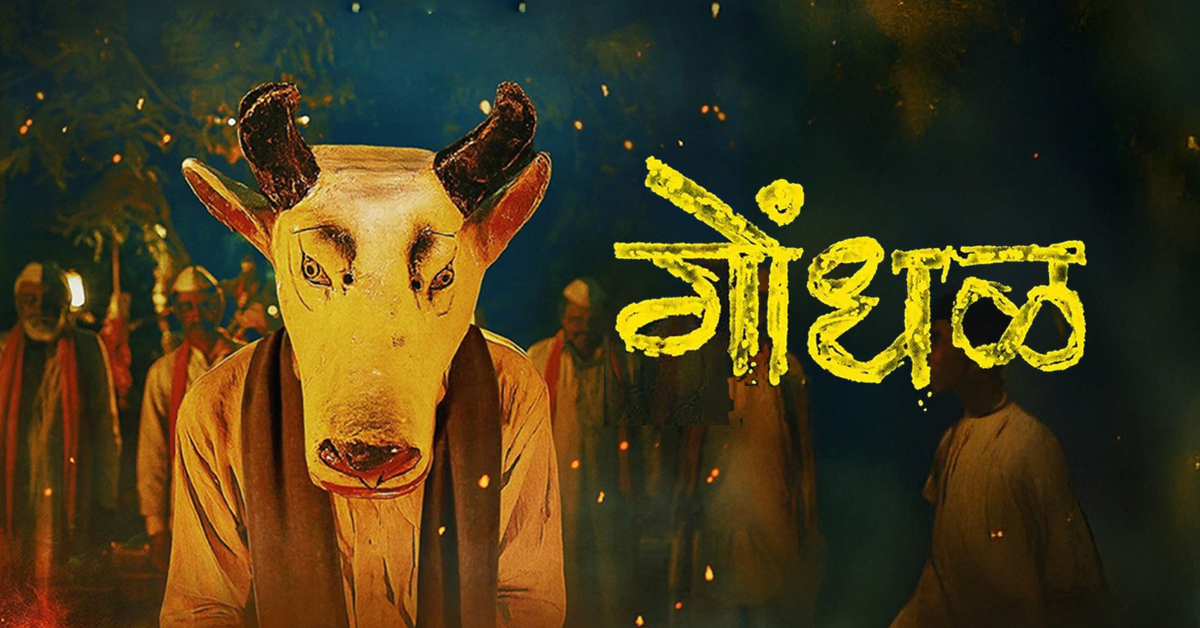
Even as the cultural landscape shifts, Tendulkar’s works occupy a permanent slot in curricula and repertories. Ghashiram Kotwal, Gidhade, Shantata! Court Chalu Aahe, Sakharam Binder, Shrimant and Kamala continue to be staged in regional and national theatres.
A recent Hindi rendition features Sanjay Mishra in the lead, demonstrating the playwright’s reach beyond Marathi audiences. The play’s revival sparked legal challenges that forced a court to direct modifications before an international tour could proceed, highlighting the tension between artistic freedom and historical sensitivity. Critics often celebrate his courage, yet the same reverence can silence probing inquiries into his narrative choices. The table below outlines key events that illustrate how his reputation has been both upheld and contested.
| Event | Year | Impact |
|---|---|---|
| Original staging of Ghashiram Kotwal | 1972 | Established Tendulkar as a daring voice |
| Academic adoption of Shantata! Court Chalu Aahe | 1990s | Embedded his work in theatre studies |
| Court direction after protests | 2025 | Prompted disclaimer on historicity |
| Hindi version with Sanjay Mishra | 2026 | Extended reach to national audience |
The pattern that emerges is one of sustained institutional support coupled with occasional legal friction. While universities and theatres celebrate his daring approach, the state’s legal apparatus steps in when perceived historical distortion threatens collective memory. This dynamic illustrates how Tendulkar’s stature survives not merely through artistic merit but also through the strategic accommodation of Indian cultural institutions.
Philosophical Frameworks Collapse Under Modern Theatrical Scrutiny
Critics often portray Tendulkar as a fearless chronicler of uncomfortable truths, a label that has become part of the critical lexicon surrounding his name. Yet the play Ghashiram Kotwal challenges that narrative by intertwining documented events with invented moral judgments.
The historical record confirms a single incident involving the death of Brahmin visitors in custody, but the drama expands this fragment into a sweeping tale of political betrayal. By casting Nana Phadnavis, a statesman praised by contemporary British observers, as a lecherous schemer, the playwright reshapes public perception of a well documented administrator.
A writer truly committed to factual representation could have either highlighted Ghashiram’s documented excesses or issued a clear fictional disclaimer at the outset. Tendulkar chose neither route; he retained authentic names and offices while constructing an entirely new moral architecture. The resulting work functions less as a quest for truth and more as a vehicle for an ideological agenda that paints the historical elite in a negative light. This approach recurs across his oeuvre, where realist forms serve to legitimize a particular worldview rather than to uncover an unbiased reality.
Marathi Stage Traditions Reshape Legacy Beyond Original Intentions
Marathi theatre possesses a rich lineage that predates colonial interventions, a continuity that informs contemporary interpretations of Tendulkar’s plays. When directors adapt his scripts, they often infuse local performance idioms, thereby altering the original emphasis. For instance, recent productions of Sakharam Binder incorporate folk rhythms that shift the focus from individual moral conflict to communal resilience. Such reinterpretations demonstrate how the living tradition of Marathi stage can both preserve and transform the playwright’s intent.
The table below lists selected plays alongside the traditional elements that modern directors have emphasized, revealing a pattern of cultural adaptation that extends beyond the playwright’s initial design.
| Play | Traditional Element Emphasised |
|---|---|
| Ghashiram Kotwal | Historical satire through folk narration |
| Gidhade | Mimicry of rural dialects |
| Shantata! Court Chalu Aahe | Minimalist staging echoing classical Sanskrit drama |
| Sakharam Binder | Folk percussion underscoring moral tension |
| Shrimant | Traditional dance interludes |
| Kamala | Improvisational dialogue rooted in street theatre |
These adaptations reveal how the living heritage of Bharat’s theatrical forms can recast a playwright’s work, sometimes aligning it with contemporary social concerns that differ from the original ideological thrust. The evolving stage practice thus becomes a lens through which Tendulkar’s legacy is continually renegotiated.
Global Translations Distort Authentic Cultural Contexts Significantly
Translations of Tendulkar’s dramas have reached audiences in Europe, North America and East Asia, expanding his reputation as a universal voice. Yet each linguistic conversion inevitably filters the original cultural nuances, often amplifying the moralistic tone that the playwright himself may not have intended. The English version of Ghashiram Kotwal, for example, foregrounds the political intrigue while downplaying the local idioms that anchor the story in Pune’s specific milieu.
This distortion has tangible consequences. International festivals frequently present the plays as exemplars of Indian social critique, reinforcing a narrative that positions Bharat as a monolithic society plagued by corruption. Such portrayals overlook the internal diversity of regional traditions and the strategic agency of Indian institutions that navigate historical narratives. The result is a skewed global perception that privileges a simplified moral reading over the complex interplay of culture, history and performance.
Contemporary Audiences Reject Didactic Moral Posturing Entirely
Modern theatregoers, especially younger viewers, show a growing impatience with overt moral preaching. Productions that lean heavily on didactic messaging find their seats half empty, while those that invite audience interpretation thrive. This shift signals a broader cultural movement that values experiential engagement over prescribed lessons. The question remains whether Tendulkar’s works, when stripped of their original ideological veneer, can still resonate in this new climate.
As the stage continues to evolve, the dialogue between historic texts and present sensibilities will keep reshaping the way Bharat’s theatrical heritage is understood, leaving space for fresh perspectives to emerge.